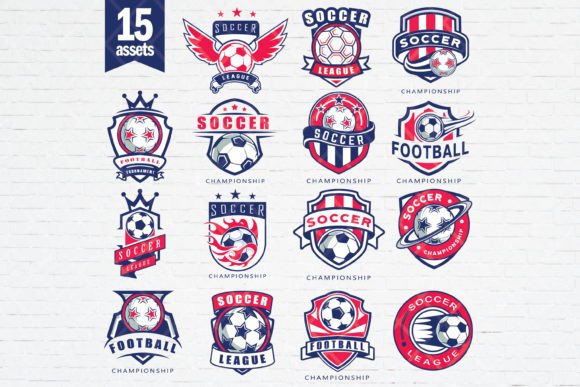
Soccer Team Logo Template Review for Embroidery Projects
As a designer who regularly evaluates graphics for real-world stitching, my first task is to picture a design not just on a screen, but as a finished, tactile product. When I look at the Soccer Team Logo Template, the immediate impression is of energetic, clean sports branding. The mood is team-oriented and dynamic, without being overly aggressive or childish. The shapes feel bold and graphic, which is precisely what you want for a logo—it’s built for recognition. This visual personality leans towards modern and versatile, not cluttered with excessive detail that would vanish under a needle. It naturally calls out for projects where identity and celebration are key: team apparel, fan gear, or any product where you want to clearly support the sport.
Where This Design Finds Its Perfect Stitch
In practical embroidery terms, this template feels destined for custom apparel. Imagine a client requests embroidered sweatshirts for their youth soccer league. This logo template provides a cohesive, professional centerpiece. It would stitch out cleanly on the front of a hoodie, creating a uniform look for the whole team. Similarly, for a small business owner making merchandise for a local club, applying this to tote bags or caps instantly creates a branded product that feels official. The design’s inherent clarity makes it a strong candidate for patches—a beautifully embroidered patch with this logo could be added to jackets, bags, or even framed as decor.
Beyond team use, its appeal extends to personalized gifts. Think of a holiday gift for a soccer-obsessed nephew: an embroidered pillow cover or blanket with this logo becomes a cherished, custom item. For a baby’s nursery where the parents are fans, a subtly sized version on a knitted blanket adds a sweet, thematic touch. In a boutique or Etsy shop setting, this design could anchor a whole line of products—from aprons for team fundraisers to tea towels for a soccer-themed kitchen. It elevates a simple handmade product into a specific, desirable niche item.
The Realities of Stitching It Onto Different Surfaces
Not every project surface is ideal, however. While the bold shapes are advantageous, I would proceed cautiously with very small hoop sizes. Trying to condense the entire logo onto, say, a baby shirt pocket might compromise the readability of any integrated lettering or finer elements. Textured fabrics like certain sweaters or blankets could obscure the clean edges, requiring careful stabilizer choice to maintain definition.
Stretchy fabric, like on a typical t-shirt, demands extra attention to stabilizer and possibly adjusting stitch density to prevent puckering, especially if the design has large fill stitch areas. Embroidering on dark fabric will always require a thoughtful thread color contrast check—a test stitch on scrap material is essential to see if the intended colors pop or get lost. The most challenging application might be on curved surfaces like caps; the design’s layout needs to be assessed for whether it will distort when adapted to the cap’s crown curve. Tiny details, if present in the template, could become muddy, so a pre-project inspection of those corners and accents is a must.
How a Good Embroidery File Translates to Product Value
A well-executed embroidery file doesn’t just decorate fabric; it builds trust. When a customer sees a crisp, clean soccer logo on their custom apparel or gift, it signals professionalism and care. For a craft business owner, that directly affects buyer engagement and repeat sales. The handmade presentation feels intentional and skilled, not haphazard. This kind of template, when stitched well, enhances brand consistency for a team or club, making every item look part of a set.
Its giftability skyrockets because it feels unique yet universally understood—the recipient immediately recognizes the theme and appreciates the customization. For commercial embroidery projects, such as producing merchandise for a local sports event, using a strong, clear logo template like this ensures the final products look like legitimate, quality merchandise, not amateur attempts. It’s the difference between a product that sells and one that just sits on a shelf.
A Designer’s Practical Notes Before You Hoop Up
Before committing this Soccer Team Logo Template to a client’s jacket or your own shop inventory, run through these real-world checks. First, always stitch a test on scrap fabric that mimics your final product material. This reveals everything: thread color contrast, actual stitch density, and how small details like ball seams or net lines translate into satin stitch or running stitch.
Confirm your intended hoop size can accommodate the design without forcing you to shrink it beyond clarity. Use proper stabilizer for your chosen fabric—this is non-negotiable for professional results. Create simple black and white mockups, or compare how it looks on light and dark fabric backgrounds digitally; this helps plan thread palettes. Crucially, before selling any finished items or digital products derived from this template, confirm its licensing terms. Verify whether it’s cleared for personal and commercial projects, as this is the foundation of a legal craft business.
Remember, a graphic like this is a design asset. Its true worth is realized only when the embroidery project is executed with practical wisdom. It’s not just about the file; it’s about foreseeing how it will live on a tote bag, a sweatshirt, or a baby blanket after the machine stops stitching. That foresight turns a good template into a great finished product.