Soccer Sis SVG Design: An Embroidery Project Review
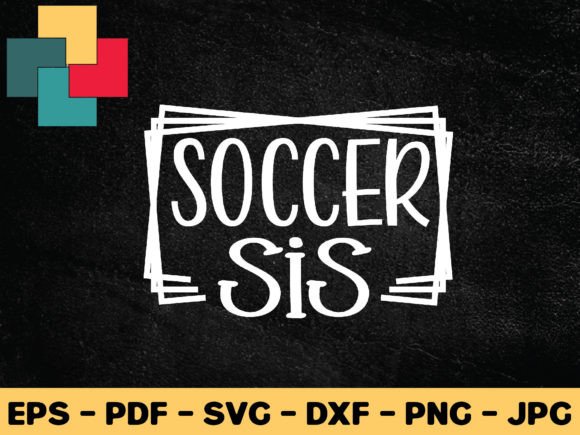
When I first opened the Soccer Sis Svg Design, I immediately felt the energy of a spirited, playful piece that’s made for personalization. It’s not just a soccer ball or a generic sports motif; it’s got a personality — a sisterly vibe that’s warm, bold, and a little bit cheeky. The layout reads like a badge of honor, with a central soccer element and a surrounding typography that feels handwritten and approachable. For anyone who’s ever stitched a gift for a sibling, this design hits a sweet spot. It’s the kind of graphic that promises a finished product that feels both personal and professionally cohesive.
As an embroidery designer who’s constantly testing digital files for real-world use — on tote bags, sweatshirts, caps, and baby items — I evaluate a design not just by how it looks on a screen, but by how it’ll translate into thread, onto fabric, and into a customer’s hands. That means I’m asking: does the detail hold up under a needle? Will the stitches read clearly from a distance? Is the composition friendly to different hoop sizes? And most importantly, does it make a product someone actually wants to buy or gift? The Soccer Sis Svg Design prompts all of those questions in the best way.
A quick note before we dive into the stitching mindset: ✔ PLEASE NOTE This is an instant digital download, NOT a physical product. I will NOT be sending or mailing a physical product. You can use these files with programs such as Silhouette Studio, Cricut Design Space, and other cutting or design software. That means you’re receiving a graphic file — typically an SVG, and often other formats — that you can convert into an embroidery pattern, a cut file, or a printable mockup. It’s the kind of Crafts and Graphics asset that creative entrepreneurs love because it’s versatile and immediate. But for embroidery, you’ll need to digitize it yourself or use software that converts vector art into stitch files. I always keep that digital-first nature in mind when I review a file like this.
First Impressions: Mood, Shape, and Stitch Personality
Right away, the design feels like a custom patch you’d spot on a vintage denim jacket or a well-loved gym bag. The soccer ball sits at the heart, surrounded by a banner or a circular frame — depending on the exact variant you choose — and the “Sis” lettering is front and center. The mood is a hybrid of sporty and sentimental. It’s not overly complex, which is a huge advantage when you’re thinking about stitch density and thread changes. The thick, slightly chunky letterforms suggest that a satin stitch or a filled appliqué approach would work beautifully, giving that raised, tactile finish that makes handmade products feel premium.
I could see this design used on a lightweight sweatshirt for a sister who plays midfield, or as a central motif on a tote bag that carries cleats and shin guards. The shape is contained enough to sit comfortably in a 4x4 or 5x7 hoop, but it also scales up well for larger projects like a quilt block or a decorative pillow. The visual personality is confident yet approachable — exactly the kind of thing that catches a buyer’s eye at a craft fair or on an Etsy listing. When I do a mockup in my head, the stitched version already looks like a finished product with clear brand identity.
Where This Design Really Shines in Embroidery Projects
Let’s talk practical applications. I’ve been mentally placing this design on a range of products, and here’s where it naturally belongs:
- Custom Apparel: Hoodies, raglan tees, and zip-up jackets for the sporty sister. The design’s compact, badge-like layout makes it ideal for left-chest placement or even a small back-neck detail. On a sweatshirt, a satin-stitched version with a contrasting thread color pops beautifully.
- Tote Bags & Gym Bags: A sturdy canvas tote becomes a statement piece with this design centered on the front pocket. I’d use a medium-weight cutaway stabilizer and test the design on a scrap piece first to make sure the lettering doesn’t pucker on the textured fabric.
- Embroidered Patches: This is a natural candidate for a patch. Stitch it on felt or twill with a dense border, add a heat-seal backing, and you’ve got a sellable, attachable product. Patches are huge in the handmade market right now, and the sister theme makes it giftable for birthdays, holidays, or team celebrations.
- Baby & Kids’ Items: Think tiny baseball caps, onesies for a soccer-loving family, or a nursery wall hanging. The design scales down nicely, but I’d be cautious about the lettering — if the “Sis” gets too small, the stitches might close up the loops. A running stitch with a light fill might be a safer option for baby garments that need frequent washing.
- Kitchen Towels & Aprons: For the soccer mom who cooks, this design on a flour-sack towel or a half-apron creates a charming, niche gift. The theme is specific enough to feel personal, but broad enough to appeal to a wide audience.
- Holiday Gifts & Boutique Products: Pair it with a monogram or a team name, and you’ve got a holiday gift that feels custom without the custom price tag. For small business owners, this is a versatile design asset that can be used across multiple product lines.
Real-Life Scenario: Preparing a Custom Embroidered Tote
Let me walk you through a real project I’d plan with this design. A client orders a personalized tote bag for her younger sister’s birthday — she’s a soccer player, and the bag will be used to carry practice gear. I’d download the Soccer Sis Svg Design, open it in my design software, and first convert it into a clean, stitch-ready file. I’d set the soccer ball’s panels with a light fill stitch in a bright white, and the outer lines with a dark charcoal satin stitch for definition. The lettering would get a dense, high-sheen satin stitch in a vibrant team color — maybe a deep emerald or a classic red. I’d add a subtle running stitch shadow for depth, but nothing too fussy that would increase stitch count unnecessarily.
On a natural canvas tote, I’d hoop a medium-weight cutaway stabilizer, float a piece of water-soluble topping over the fabric to keep the stitches from sinking into the texture, and run a test on a similar scrap first. I always inspect the thread color contrast — if the bag is natural, I’d stay away from pale thread colors. A dark thread on a light background creates the best visibility. After stitching, I’d press the design from the back and check every letter. The “S” in “Sis” is a typical stress point — if the curves are too tight, I’d adjust the stitch angle in the digitizing step. The final product would look like a boutique piece, the kind a customer would rave about and show off to teammates.
Caution Zones: When to Be Extra Careful
No design is perfect for every surface, and the Soccer Sis Svg Design is no exception. Here’s where I’d pause and test more thoroughly:
- Small Hoop Sizes: If you’re trying to cram this into a 2x2 or 3x3 hoop, the detail in the soccer ball panels and the lettering will likely blur. I’d recommend keeping the design at least 3.5 inches wide for embroidery to maintain crispness.
- Stretchy Fabrics: A thin, stretchy jersey or an activewear fabric can distort the design if the stabilizer isn’t perfect. I’d use a fusible knit backing and maybe a basting box to keep everything aligned. The “Sis” lettering, with its connected cursive style, is especially vulnerable to pulling.
- Dark Fabrics: The design’s default colors might assume a light background. If you’re stitching on black or navy, you’ll need to either invert the colors or add a light underlay. A direct stitch with dark thread on dark fabric loses all visual impact, so contrast is key.
- Curved Surfaces (Caps): Caps are tricky because the design has to fit the curved front panel. The central soccer ball might work, but the surrounding lettering could wrap awkwardly. I’d test placement on a structured cap with a cap hoop and maybe simplify the design to just the ball and a smaller “Sis” text if needed.
- Frequent Washing: If the finished product is going in the laundry often — like a kid’s sweatshirt — I’d avoid overly dense satin stitches that can snag. A light fill stitch with a satin border would hold up better over time.
Practical Embroidery Designer Notes
Before you commit to a full production run, here are the steps I always take with a digital graphic like this:
- Test on Scrap Fabric First: Even if you’ve digitized similar designs, the specific curves and connections in “Sis” need a real stitch-out. I’d run a sample on the exact fabric and stabilizer combination I plan to use.
- Check Thread Color Contrast: Open the SVG in a black-and-white mockup. If the elements disappear or blend together, your thread choices need adjustment. High contrast isn’t always necessary, but it often makes the design more readable.
- Review Stitch Density: The soccer ball lines could become too dense if you’re not careful. I’d reduce the stitch count in the internal lines and let the satin border do the heavy lifting.
- Confirm Hoop Size: Measure the design after digitizing and make sure it fits comfortably in your most-used hoops. Designers often forget that the outer dimensions of the design should be at least half an inch smaller than the hoop’s inner dimensions.
- Inspect Small Details: Zoom in on the soccer ball’s pentagons and the lettering loops. Any tiny gaps or overlaps in the SVG will translate into thread breaks or messy stitches. A quick node edit in your vector software can save hours of frustration.
- Test on Both Light and Dark Backgrounds: The design might look completely different on a white onesie versus a charcoal hoodie. I’d create digital mockups of both and stitch a small sample if possible.
- Use Proper Stabilizer: For most projects, a medium-weight cutaway is my go-to. For towels or napped fabrics, I’d add a water-soluble topper. Don’t skip this step — it’s the difference between a professional finish and a puckered mess.
- Check Licensing for Commercial Use: The listing says it’s a digital download, but always confirm what you’re allowed to do with the finished items. Many SVG designers allow commercial use on physical products, but it’s your responsibility to verify. I’d reach out to the seller if it’s not explicitly stated, especially if you’re planning to sell the finished patches or embroidered goods on Etsy or at craft fairs.
How This Design Affects Your Brand and Sales
As a creative entrepreneur, I think about more than just the stitch quality. The Soccer Sis Svg Design carries an emotional hook that’s hard to manufacture. Sisters buying for sisters, moms buying for daughters, friends buying for their soccer-loving bestie — the design instantly communicates a shared identity. That kind of giftability builds trust and repeat customers. When someone sees a beautifully embroidered piece with this artwork, they’re not just seeing a product; they’re seeing a story. That’s the kind of value that raises your handmade brand above the sea of generic sports gear.
In a market where many embroidered items look mass-produced, a design with a clear, personal voice like “Soccer Sis” signals that you’ve put thought into your product line. It’s cohesive, it’s easy to photograph for listings, and it works across a range of items — from a simple tea towel to a statement jacket. That versatility means you can offer a coordinated collection, which boosts average order value and makes your shop look curated, not random.
Final Verdict From the Stitching Table
If you’re an embroidery designer, small shop owner, or a maker who loves to create personalized gifts, the Soccer Sis Svg Design is a strong addition to your digital library. It’s not a one-click solution — you’ll need to digitize it thoughtfully, test your settings, and perhaps tweak the lettering for your specific machine — but the result is a piece that resonates emotionally and looks professionally polished. I’d confidently use it for custom apparel, patches, tote bags, and nursery decor, and I’d keep a few stitched samples on hand to show potential customers.
Remember, it’s a digital download, not a physical product, so you have instant access to the file and can use it with programs like Silhouette Studio and Cricut Design Space. That flexibility is a huge plus for crafters who work across multiple mediums. Whether you’re making printable mockups, iron-on designs, or full embroidery projects, this graphic fits neatly into a Crafts and Graphics workflow. Just pair it with a solid digitizing process, a thoughtful test run, and an eye for contrast, and you’ll have a piece that feels like it was made just for the soccer sister in someone’s life.