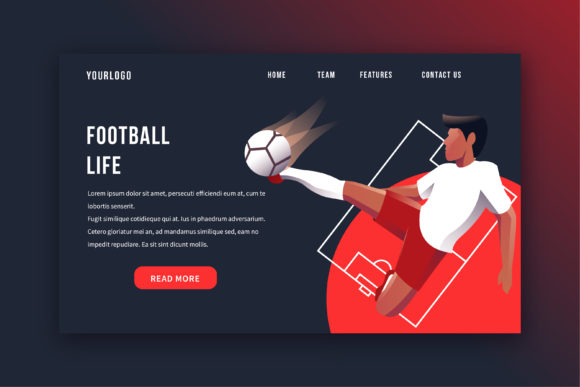
Evaluating a Football Theme Design for Real Embroidery Projects
When a designer like me looks at a new embroidery design, the first question isn't about the files. It's about the stitch. How will this look when it’s translated from a perfect screen into thread and fabric? Today, I’m considering the Football, Soccer Landing Page design bundle, which falls under the broad categories of Websites and Graphics, from a purely practical embroidery standpoint.
First Impressions: A Design Built for Bold Stitching
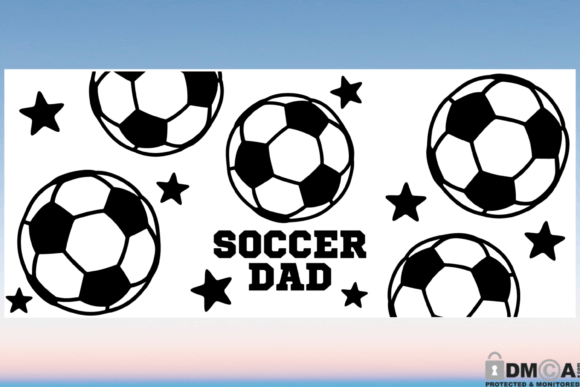
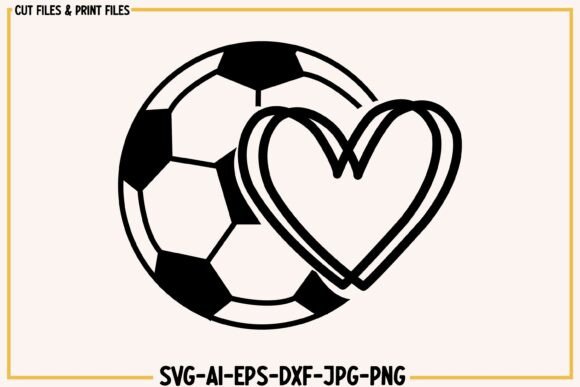
The overall layout and theme of this design immediately suggest a clean, graphic style. It’s not overly detailed or fussy, which is a major plus for embroidery. Designs with too many tiny elements can become muddy when stitched. The shapes here feel solid, with clear boundaries. This creates a mood of confident, sporty energy—it’s celebratory without being chaotic. The visual personality leans modern and versatile, not locked into one specific era or team style. This isn’t a design that whispers; it’s meant to be seen, which makes it a natural fit for statement pieces.
My mind jumps to projects where that bold graphic impact matters: a custom embroidered sweatshirt for a fan, a tote bag for a coach’s gear, or a pillow cover in a sport-themed room. It has the feel of a design that could anchor a product, not just decorate it.
Where This Design Excels in Real-Life Projects
Let’s walk through a scenario. Imagine you’re preparing a batch of embroidered tote bags for a local youth soccer league fundraiser. You need a design that looks professional, is recognizable instantly, and can be produced reliably across multiple bags. The Football, Soccer Landing Page design, given its likely composition, would be a strong candidate.
On apparel like t-shirts and sweatshirts, a design with clear, defined areas allows for excellent stitch clarity. Satin stitches for borders and fill stitches for larger areas can be planned cleanly. For baby clothes or blankets, where you might want a smaller, sweet version, the scalability of vector files (like the included AI, EPS, SVG) is crucial. You could reduce it for a tiny jersey logo without losing integrity.
It’s also a prime candidate for creating embroidered patches. The graphic nature translates perfectly to a patch’s needs: defined edges, good color blocking, and a central motif. Those patches could then be applied to caps, bags, or jackets. For craft business items like kitchen towels or aprons for a sports-themed kitchen, the design offers that gift-ready, finished look that buyers appreciate.
The Practicalities: Where to Use Care and Test First
No design is universally perfect for every fabric and hoop. The key is knowing its limits. With a likely bold, graphic design like this, the main caution areas involve scale and density.
On very small hoop sizes, any text elements or intricate decorative accents within the design could become problematic. Tiny lettering is a notorious challenge in machine embroidery—stitches can blob together. On textured fabrics like some towels, or stretchy fabrics like certain t-shirts, the clean lines might need extra stabilizer support to remain sharp. Dark fabric backgrounds require thoughtful thread color choice for contrast; a test on scrap fabric is non-negotiable.
Curved surfaces like caps demand designs that aren’t too wide or rigidly rectangular. You’d need to assess the layout’s width. Also, for products destined for frequent washing, like baby clothes or activewear, you’d want to ensure the stitch density isn’t so high that it creates a stiff, uncomfortable area on the fabric.
How This Design Influences Customer Perception and Value
When you stitch a design like this onto a product, you’re not just adding decoration. You’re adding a message. The clarity and professionalism of the embroidery directly affect customer trust and the perceived value of your handmade product.
A clean, well-executed sports design on a sweatshirt feels like a premium custom apparel item, not a generic print. It boosts the giftability of items—a personalized gift for a football enthusiast feels more thoughtful when it’s embroidered. For Etsy sellers or small shop owners, using a cohesive, strong design across your merchandise (totes, patches, apparel) aids brand consistency. Customers recognize the style.
This design, by being editable and provided in multiple formats, also gives you flexibility. You can adjust text, perhaps adding a team name or a year, to create limited-run products that engage buyers more deeply. That adaptability is a key asset for creative entrepreneurs.
Essential Notes for the Embroidery Designer Before Hooping Up
Before you commit this design to a client’s premium hoodie or a batch of your best-selling tote bags, a disciplined pre-check is vital. Here’s my realistic workflow for using any new digital embroidery file, including this one.
First, test on scrap fabric. Use the same fabric and stabilizer combination as your final project. This reveals everything: thread color contrast, how small details like potential ball textures or net patterns stitch out, and the actual physical size.
Check the stitch density in your software. While the product description notes it’s an editable source file for graphics, it doesn’t specify exact machine embroidery parameters like stitch count. You’ll need to convert or digitize it for your machine, and that’s where you control density. Aim for a balance that looks solid without making the fabric buckle.
Confirm your hoop size can accommodate the design at your desired scale. Don’t assume.
Test it in black and white mockups. How does it look as a silhouette? This helps you judge the shape’s strength independent of color.
Compare it on light and dark fabric backgrounds in your test. You might need two slightly different thread palettes for optimal contrast on different grounds.
Finally, and crucially, confirm the licensing. The description mentions editable files, but the terms for personal versus commercial use of the finished embroidered products aren’t spelled out here. Before selling any items made with this design—whether at a craft fair or in your online boutique—you must verify the license allows for commercial embroidery. This protects your business.
A Design Asset for Makers Who Think Ahead
The Football, Soccer Landing Page design bundle, from my perspective as someone who turns graphics into stitched reality, presents a solid foundation. Its strength is its clear, graphic style which translates well to the language of thread. It’s suited for projects where bold recognition and clean execution are the goals.
It will shine on sturdy fabrics like canvas totes, sweatshirt fleece, and patch twill. It invites personalization for holiday gifts or team merchandise. But its success hinges on your skillful translation from digital file to physical stitch—testing, adjusting density, choosing threads, and respecting its limits on tricky fabrics and tiny scales.
For embroidery designers, small business owners, and makers, this kind of design isn’t just a graphic; it’s a potential product line. Approach it with that practical mindset, and it can become a reliable asset in your craft.