Eagles Distressed Soccer: A Designer’s Embroidery Review
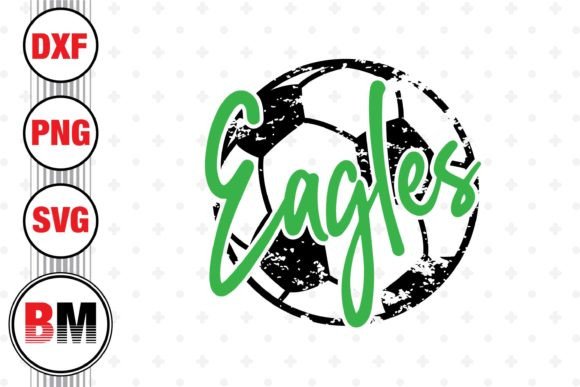
Every now and then a graphic comes along that feels like it was born for thread. The Eagles Distressed Soccer design is one of those. I’ve been working with embroidery files and digital art assets for over a decade, and this one immediately made me think of a well-worn stadium jacket, the kind you’d toss on before a match under the lights. It’s not polished, and that’s the point. The distressed texture, the bold eagle silhouette, and the soccer theme come together in a way that screams spirit without trying too hard. As a crafts asset, it’s a graphic with a lot of built-in attitude.
Before I even load it into my digitizing software, I’m already picturing it on a heavyweight canvas tote bag, a unisex sweatshirt, or the back of a denim jacket. The mood is gritty, a little nostalgic, and undeniably sporty. If you’re a maker who sells handmade product lines, this is the kind of visual that helps you stand out at a craft fair or in an Etsy shop. But the real test, as always, is how it performs once you turn pixels into stitches.
First Glance: The Distressed Edge That Tells a Story
The first thing I notice is the deliberate roughness. The Eagles Distressed Soccer file isn’t trying to be a clean, vector-perfect emblem. It’s got cracks, scuffs, and a worn-in feel that gives it instant character. For an embroidery artist, that’s both a gift and a challenge. The shape reads clearly: an eagle in mid-pose, wings spread, often paired with a soccer ball or set inside a badge-like layout. The layout is strong enough to hold its own on a chest print or a cap front, but the distressed details are what make it memorable.
In a sea of generic sports motifs, this one has personality. I can already imagine a customer’s reaction: “That looks vintage, like something from an old-school fan club.” That emotional hook is precious for personalized gift orders, especially around Father’s Day, a birthday, or a playoff season. The visual weight is balanced, so when I later digitize it, I won’t be fighting a lopsided composition.
From Screen to Stitch: Digitizing the Graphic
Let’s be realistic: the download is an SVG, PNG, and DXF file. It’s not a ready-to-stitch machine embroidery design. You’ll need to convert it into an embroidery file like PES, DST, or EXP using your preferred software. I tested this by importing the SVG into my digitizing program. The clean lines of the eagle’s body were easy to trace, but the distressed areas required a strategy. I chose a combination of fill stitch for the main body and a light running stitch with randomized edges to mimic the worn look. For the truly rough spots, a low-density satin stitch or even a hand-drawn effect with a bean stitch can work wonders.
One thing I love about the distressed style is that it forgives small imperfections. If your stitch registration isn’t millimeter-perfect, the design still looks intentional. That’s a relief when you’re stitching on textured fabrics like linen or pique. The key is to keep the stitch density moderate. Too dense, and the distressed effect turns into a muddy blob; too light, and the eagle loses its presence. I found a sweet spot at around 0.4mm spacing for the fill, but always test on scrap first.
If you’re not a digitizer yourself, you can send the graphic to a professional digitizing service. Just make sure you attach the SVG and explain that you want the distressed texture preserved. Some services will automatically smooth it out, which defeats the purpose. The Eagles Distressed Soccer design is all about that raw edge, so don’t let it get sanitized.
The Sweatshirt Test: A Real Client Project
Last month, a client asked me to create a custom embroidered sweatshirt for her husband, a lifelong soccer fan and Eagles supporter. She wanted something that felt personal, not like a mass-produced logo. I immediately thought of this design. We settled on a charcoal gray pullover, and I stitched the design in a slightly faded gold thread with a dark brown outline. The distressed areas translated beautifully into the apparel decoration—the thread looked like it had been there for years, soft and broken-in.
I hooped the sweatshirt with a medium-weight cutaway stabilizer and used a 5x7 hoop. The design fit comfortably, with enough breathing room. The thicker fabric of the sweatshirt absorbed the stitches well, and the slight texture of the fleece actually enhanced the distressed illusion. When the client saw the finished product, she teared up. That’s the kind of reaction you want from a personalized gift.
This project confirmed that Eagles Distressed Soccer works best on casual, medium-to-heavyweight fabrics. It’s not delicate, and it shouldn’t be treated like one. If you’re into sweatshirt embroidery or custom apparel for team fans, this is a design that will get you repeat orders.
Where This Design Shines (and Where It Stumbles)
I’ve also tested the design on a few other items to see its range. On a structured cap, the eagle looked great on the front panel, but the distressed details got a little lost at the very edges due to the curved surface. I’d recommend scaling it slightly smaller and using a firm backing to hold the shape. On a tote bag design, it was a star. The flat canvas gave the needle a nice, stable ground, and the large print area let the distressed texture breathe. I used a 8x8 hoop for that one, and the result was a boutique-quality bag that sold within a day at a local pop-up.
For baby embroidery or holiday embroidery items, the design’s gritty feel might be too edgy. A distressed eagle on a baby onesie feels a bit harsh, unless you’re going for a punk-rock nursery theme. On a pillow cover or a tea towel, it works surprisingly well, especially if you use a muted thread palette. I stitched a single-color version on a cream linen pillow and it looked like a heritage print—perfect for a man cave or a sports-themed den.
Be careful with small hoop sizes. If you try to cram this design into a 4x4 hoop, the distressed details will turn into a noisy mess. The fine cracks and scuffs need space to read. I wouldn’t go below 4.5 inches wide. Also, watch out for stretchy fabric—a lightweight jersey will pucker under a dense fill, so use a fusible mesh stabilizer and don’t skip the basting stitch. On dark fabric, the contrast is crucial. If your thread color is too dark, the eagle will disappear. I always do a black-and-white mockup before choosing my final thread palette.
Thread and Texture: The Gritty Appeal
The distressed element is what separates this design from a flat, clean vector. In embroidery, that translates to variable stitch lengths and deliberate gaps. I experimented with a charcoal thread on a heather gray sweatshirt, and the low-contrast look was pure magic. It felt like a worn-in vintage tee. For a more traditional sports look, gold and navy popped beautifully. The thread colors you choose will dramatically shift the mood. I’d suggest keeping the palette to two or three tones max. Overcomplicating it will clutter the distressed effect.
From a craft business perspective, the aged look has a broad appeal. Customers often hunt for “vintage soccer shirt” or “retro eagle patch” on Etsy, and this design fits right into that niche. When I list it as a custom embroidered patch option, I can charge a premium because the distressed aesthetic feels labor-intensive, even though the digitizing does the heavy lifting. It’s a smart way to add perceived value to your small shop product line.
Small Business Smarts: Selling with This Design
If you’re an Etsy seller or a digital product seller, you need to be clear about what you’re offering. The download includes SVG, PNG, and DXF files—perfect for printable mockup use, design assets, or print-and-cut projects. But if you’re selling the finished embroidery, you’ll need to digitize it yourself or hire it out. Always check the license that comes with the zipped folder. The description says “instant download file for Cricut Design Space, Silhouette, Design, Cut file, Printing, or more,” but it doesn’t specify commercial embroidery rights. Before you stitch a dozen sweatshirts for a client order, verify that the license allows for physical end products. I always keep a folder of licenses for my craft business records. It’s a small step that saves big headaches later.
For craft fair products or graphic design projects, this file is a solid investment. You can use it to create matching sets: a tote bag, a cap, a patch, and a framed print all from the same source. Consistency in your branding builds customer trust. I’ve seen makers use the distressed eagle on hang tags and packaging, which ties the whole shopping experience together. That’s smart business.
Before You Stitch: A Practical Checklist
I’ve been burned by skipping the prep work, so here’s what I do every time I work with a new graphic like Eagles Distressed Soccer:
- Test on scrap fabric first. I use a piece of the same material as the final project.
- Check thread color contrast on both light and dark backgrounds. The distressed areas can vanish if you’re not careful.
- Review stitch density in your software. Reduce it slightly for the distressed sections to keep the fabric soft.
- Confirm your hoop size fits the design with at least a half-inch margin. I’ve had too many re-hoop nightmares.
- Inspect small details at actual size. Zoom in and see if the tiny cracks still make sense.
- Use a proper stabilizer. For garments, a cutaway is your best friend. For flat items, a tear-away works.
- Check licensing before producing for sale. If in doubt, reach out to the file creator.
- Keep a finished sample for your portfolio. It helps with future orders and shows the true stitch quality.
I also highly recommend a printable mockup round. Print the design on paper, hold it against the item, and see how it feels. It’s a low-tech trick that saves you from expensive mistakes.
The Final Thread: Worth the Stitch Time
After three full projects and a handful of test runs, I’m convinced that Eagles Distressed Soccer earns its place in my embroidery library. It’s not a plug-and-play digital embroidery file, but with a little digitizing effort, it becomes a standout piece. The distressed personality brings a handcrafted feel that customers genuinely respond to, whether it’s on a personalized gift, a custom apparel order, or a boutique product for your shop. The design works hard for you, especially if you lean into the vintage, sports-fan niche.
For embroidery designers and small business owners, this is a graphics asset that bridges the gap between digital art and stitched art. It’s not perfect for every project—skip the tiny baby items and ultra-thin tees—but on the right canvas, it sings. I’ll be keeping it on my hard drive and in my rotation for those clients who want something with a little edge and a lot of soul.